





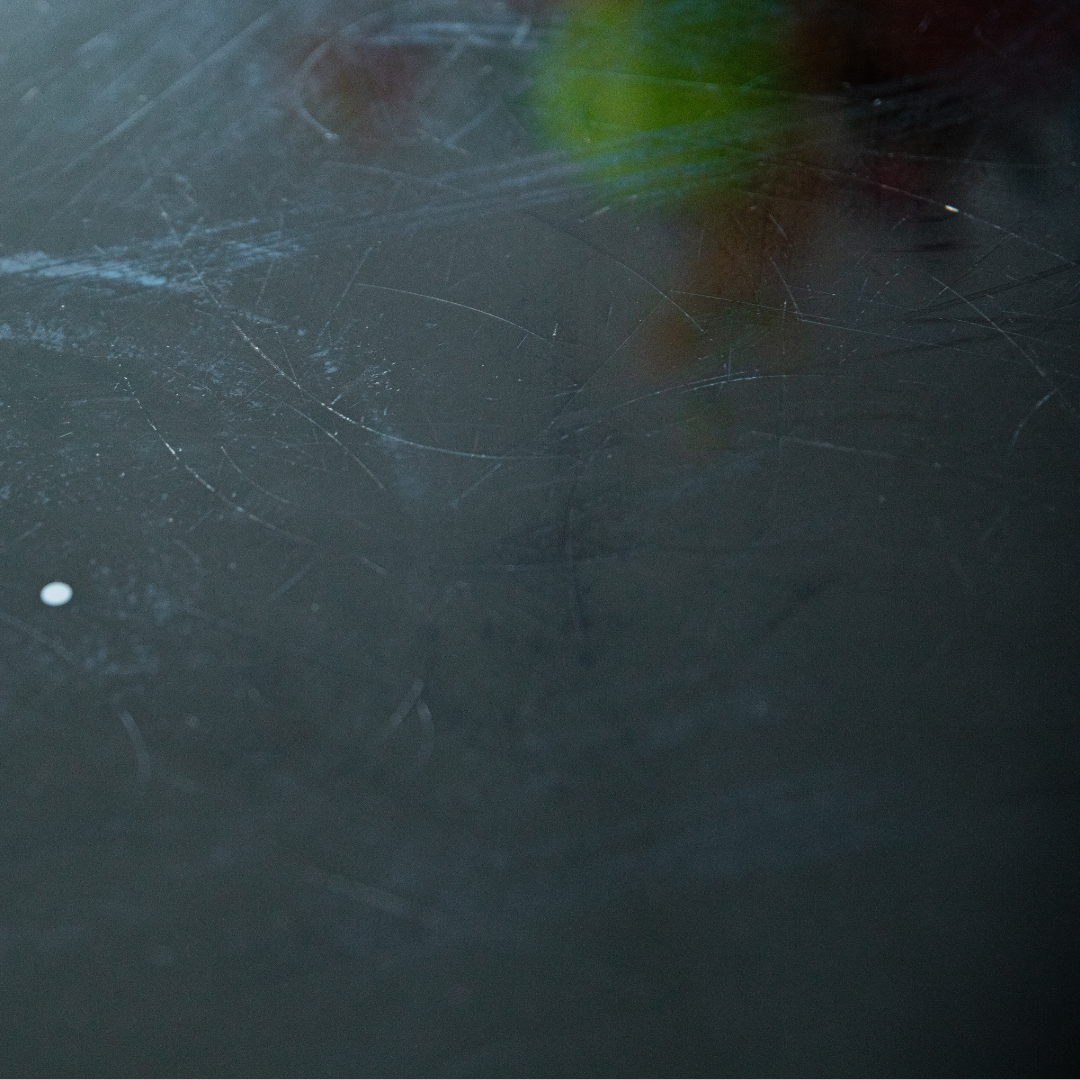
How Do Scratches, Stains, and Damage Occur on an Induction Cooktop?
An induction cooktop is known for its sleek design, energy efficiency, and fast heating. Yet in practice, we often see these modern cooktops become damaged. Scratches, burn marks, or even permanent damage are more common than you might think. But how exactly do they occur? And more importantly: how can you prevent them?
1. Scratches on the glass surface
Although an induction cooktop is made of strong ceramic glass, the surface isn’t immune to scratches. These can occur in various ways:
-
Using pans with rough bottoms: Pans with a damaged or uneven bottom act like sandpaper on the glass.
-
Dragging pans: Even a seemingly smooth pan can pick up fine sand or food particles and cause scratches when dragged.
-
Cutlery or hard objects: Even a metal spoon or knife briefly placed on the cooktop can cause a scratch.

2. Burned-on stains
Burned-on stains look like dull, brown spots that cannot be removed with regular cleaning. These are often caused by:
-
Food boiling over: When liquids such as sugar or grease land on the hot cooking zone and aren’t wiped away immediately, they can burn onto the surface.
-
Residual cleaning products or grease: If the cooktop isn’t cleaned properly before use, any residue left behind can burn in when heated.
-
Use of the wrong cleaning products: Abrasive or harsh cleaning products can damage the glass surface and create spots where dirt adheres more easily.

3. Other Types of Damage and Risks
Some types of damage are less visible but can still affect the performance or safety of your cooktop:
-
Thermal shock: Placing a freezing-cold pan suddenly on a hot cooking zone can cause cracks.
-
Excessive load: Large or heavy pans (such as cast-iron casseroles) can exert pressure on the glass and, with repeated use, cause cracks or breakage.
-
Use of unsuitable pans: Non-magnetic pans not only result in poor heat transfer but can also interfere with the electronics or heat the glass improperly.
How can you prevent damage?
One of the most effective ways to prevent damage is to use induction protectors. These are heat-resistant silicone mats that you place between your pan and the cooktop. They have a non-slip surface, preventing pans from shifting unintentionally and causing scratches. In addition, they catch boiling liquids and food residue, preventing them from coming into contact with the glass surface. This helps prevent burnt-on stains and significantly extends the lifespan of your cooktop.

Conclusion
An induction cooktop is a wonderful, efficient way to cook—but it also requires a little care. By carefully using the right pans, cleaning methods, and induction protectors, you’ll not only keep your cooktop looking good for longer, but also ensure it remains safe and operates at its best.
Share:
Cooking on an Induction Stove: Protect Your Cooktop with Induction Protective Mats
Keep Your Induction Cooktop Looking Like New